The Practical Engineer’s Guide to Getting Power, Efficiency, and Reliability at Sea
Introduction
Engine performance is not about chasing maximum power — it is about delivering the required power, at the right moment, with minimum fuel, minimum stress, and maximum reliability.
In maritime engineering, performance and tuning sit at the intersection of:
- Thermodynamics
- Combustion quality
- Air and fuel delivery
- Control systems
- Human decision-making
Poor performance is rarely caused by one dramatic failure. Instead, it creeps in through small inefficiencies, incorrect settings, aging components, and operational drift.
This page is the Performance & Tuning hub for MaritimeHub. It applies to:
- Two-stroke engines
- Four-stroke engines
- Dual-fuel engines
- Mechanical, electric, and hybrid propulsion
Contents
- What “Performance” Really Means in Marine Engines
- Design Performance vs Operational Performance
- Key Performance Indicators (KPIs) Engineers Actually Use
- The Combustion Triangle (Air – Fuel – Timing)
- Air System Performance (Turbocharging & Scavenging)
- Fuel System Performance
- Mechanical Losses & Friction
- Engine Load, RPM, and Propeller Matching
- Tuning Philosophy: Why Marine ≠ Automotive
- Common Performance Problems & Root Causes
- Engine Tuning Methods (What You Can and Cannot Adjust)
- Four-Stroke vs Two-Stroke Tuning Differences
- Dual-Fuel Performance Considerations
- Performance vs Emissions Trade-offs
- Monitoring, Trend Analysis & Digital Tools
- When NOT to Tune
- Practical Engineer’s Checklist
- What to Learn Next
1. What “Performance” Really Means in Marine Engines
In marine engineering, performance is not peak horsepower.
True performance means:
- Stable power delivery
- Predictable response to load changes
- Acceptable fuel consumption
- Acceptable exhaust temperatures
- Controlled mechanical stress
- Compliance with emissions limits
An engine making slightly less power cleanly will always outlive one making maximum power poorly.
2. Design Performance vs Operational Performance
Design Performance
Set by the manufacturer:
- Rated power (MCR)
- Specific fuel oil consumption (SFOC)
- Air/fuel ratios
- Compression ratios
- Turbocharger maps
This exists on paper and during factory tests.
Operational Performance
What actually happens onboard:
- Fouling
- Wear
- Fuel variability
- Ambient conditions
- Maintenance quality
- Human operation
Most performance issues arise because engines are operated far from their design assumptions.
3. Key Performance Indicators (KPIs) Engineers Actually Use
Forget brochures. Engineers watch:
- Brake Mean Effective Pressure (BMEP)
- Specific Fuel Oil Consumption (g/kWh)
- Exhaust Gas Temperature (per cylinder)
- Turbocharger speed
- Scavenge pressure / intake pressure
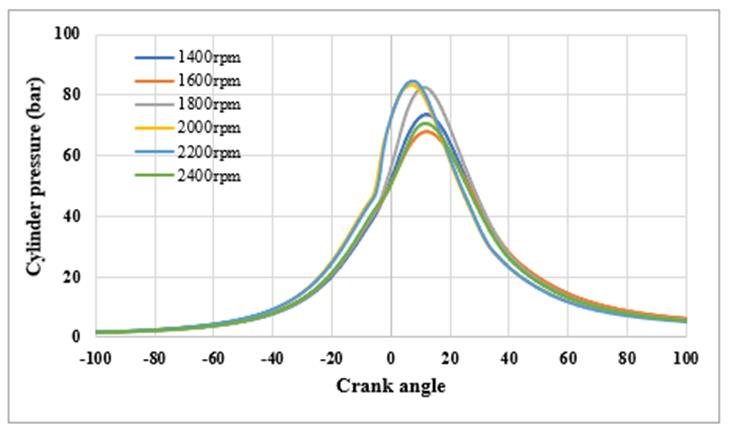
- Peak firing pressure (Pmax)
- Rate of pressure rise (dp/dθ)
4. The Combustion Triangle
Air – Fuel – Timing
All performance issues trace back to imbalance between:
1️⃣ Air
- Quantity
- Pressure
- Temperature
- Distribution
2️⃣ Fuel
- Injection pressure
- Injection timing
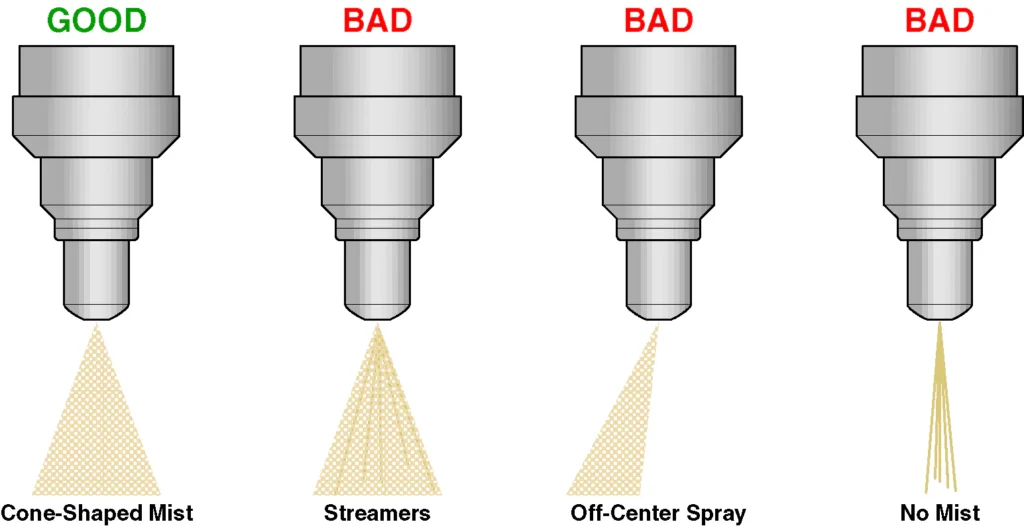
- Atomization quality
- Fuel quality
3️⃣ Timing
- Injection timing
- Valve timing
- Ignition timing (gas engines)
If one side degrades, performance collapses non-linearly.
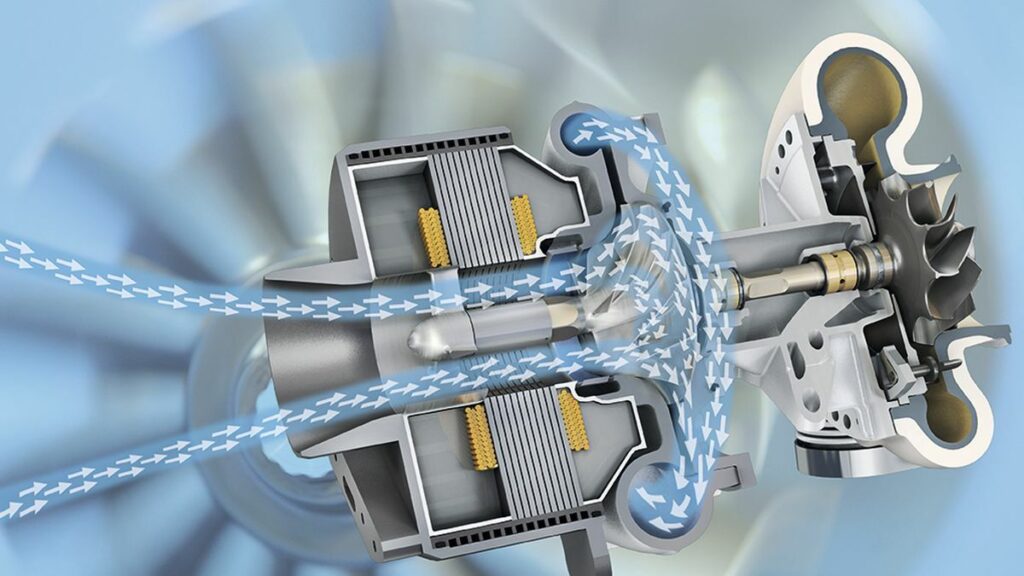
5. Air System Performance (Turbocharging & Scavenging)
Common Air-Side Performance Losses
- Fouled turbocharger compressor
- Eroded turbine blades
- Scavenge air cooler fouling
- Leaking charge air piping
- Incorrect variable nozzle settings
Symptoms
- High exhaust temperatures
- Black smoke
- Slow load acceptance
- Increased fuel consumption
6. Fuel System Performance
Fuel determines how cleanly energy is released.
Key Fuel-Side Factors
- Injection pressure consistency
- Injector nozzle condition
- Fuel viscosity control
- Fuel temperature
- Leak-off balance
Typical Fuel-Related Performance Issues
- Poor atomization → incomplete combustion
- Dribbling injectors → high EGT
- Timing drift → knock or late burn
7. Mechanical Losses & Friction
Even perfect combustion is wasted if mechanical losses rise.
Contributors
- Piston ring wear
- Liner glazing
- Bearing friction
- Incorrect lubrication rate
- Misalignment
These losses show up as:
- Reduced shaft power
- Higher fuel burn
- Rising lube oil temperatures
8. Engine Load, RPM, and Propeller Matching
Many “engine problems” are propeller problems.
Over-Propped Engine
- Cannot reach rated RPM
- High cylinder pressures
- Thermal overload
Under-Propped Engine
- Light running
- Poor efficiency
- Carbon build-up

9. Tuning Philosophy: Why Marine ≠ Automotive
Marine engines are:
- Continuous duty
- Load-driven
- Thermally constrained
Marine Tuning Goals
- Flatten stress peaks
- Improve combustion balance
- Reduce temperature spread
- Protect margins
Not:
- Maximum acceleration
- Peak output
- Aggressive timing
10. Common Performance Problems & Root Causes
| Symptom | Likely Cause |
|---|---|
| High EGT one cylinder | Injector / valve timing |
| Black smoke | Air deficiency |
| White smoke | Poor ignition / cold combustion |
| Knocking | Advanced timing / poor fuel |
| Sluggish response | Turbo lag / fouling |
11. Engine Tuning Methods
(What You Can and Cannot Adjust)
Adjustable (Depending on Engine)
- Injection timing
- Injection pressure
- Fuel rack / governor curves
- Valve clearances
- VGT settings
- Load sharing parameters
NOT Adjustable
- Compression ratio
- Piston geometry
- Fundamental airflow capacity
⚠️ Tuning outside manufacturer limits shortens life dramatically.
12. Four-Stroke vs Two-Stroke Tuning Differences
Two-Stroke
- Scavenge pressure critical
- Exhaust valve timing dominant
- Turbocharger highly sensitive
Four-Stroke
- Valve overlap tuning
- Injection timing more flexible
- Better low-load behavior
13. Dual-Fuel Performance Considerations
Dual-fuel engines add:
- Pilot fuel dependency
- Gas quality sensitivity
- Mode-dependent tuning
Common DF Performance Issues
- Methane slip at low load
- Slow gas response
- Mode switching instability
Performance tuning often involves control logic, not hardware.
14. Performance vs Emissions Trade-Offs
Improving one often worsens the other:
| Action | Performance | Emissions |
|---|---|---|
| Advance timing | ↑ Power | ↑ NOx |
| Lean mixture | ↑ Efficiency | ↑ Misfire risk |
| High EGR | ↓ NOx | ↓ Power |
This is why tuning must respect regulatory envelopes.
15. Monitoring, Trend Analysis & Digital Tools
Modern performance tuning is data-driven.
Engineers track:
- Cylinder-to-cylinder deviation
- Long-term fuel index drift
- Turbo efficiency trends
Digital twins and condition monitoring now outperform manual tuning alone.
16. When NOT to Tune
Do not tune when:
- Root cause is unknown
- Mechanical damage exists
- Air system is compromised
- Sensors are unreliable
Tuning hides problems — it does not fix them.
17. Practical Engineer’s Checklist
Before touching settings:
- ✅ Clean air path
- ✅ Balanced injectors
- ✅ Correct valve clearances
- ✅ Verified sensors
- ✅ Propeller condition known
After tuning:
- 📊 Log changes
- 🔥 Monitor EGT spread
- ⏱ Observe over several voyages
18. What to Learn Next (MaritimeHub)
Continue into:
- Faults & Troubleshooting
- Emissions Control
- Dual-Fuel Systems
- Calculators & Data Sheets
Final Thought
Performance tuning is not about making engines stronger.
It is about:
Making engines calmer, cleaner, and predictable — for thousands of hours.
That is real marine engineering.