Thermal Stability, Control Circuits, and Operational Integrity Across Marine Plants
System Group: Cooling & Heat Transfer
Primary Role: Maintenance of controlled thermal conditions across machinery, fluids, gases, structures, and human spaces
Applies To: Merchant Ships · Offshore Platforms & Rigs · Mega Yachts · Naval & Special Vessels
Interfaces: HT/LT Cooling · Oil & Fuel Systems · Heat Exchangers · HVAC · Refrigeration · Electrical Systems · Automation
Operational Criticality: Continuous
Failure Consequence: Loss of thermal margin → accelerated wear → system instability → safety risk or shutdown
Temperature control is not a discrete subsystem.
It is the governing discipline that determines whether every other system on board can operate within survivable limits.
Contents
- System Purpose and Design Intent
- Temperature as a Dominant Control Variable
- Boundaries, Interfaces, and Separation Philosophy
- Temperature Control Architecture Across Marine Sectors
4.1 Merchant Ships
4.2 Offshore Platforms and Rigs
4.3 Mega Yachts and High-Comfort Vessels - Major Temperature Control Circuits
5.1 Engine Structural Temperature Control
5.2 Fluid Temperature Control (Oil, Fuel, Water)
5.3 Gas and Air Temperature Control
5.4 Electrical and Power Electronics Temperature Control
5.5 Human Space and Process Temperature Control - Control Devices, Actuators, and Regulation Philosophy
- Control Under Real Operating Conditions
- Degradation, Drift, and Loss of Control Margin
- Human Oversight, Watchkeeping, and Engineering Judgement
- Relationship to Adjacent Systems and Cascading Effects
1. System Purpose and Design Intent
Temperature control exists to govern material behaviour over time.
Every component on board — metal, oil, fuel, insulation, electronics, seals — exists within a thermal envelope beyond which degradation accelerates rapidly. Exceeding these limits does not always cause immediate failure. Instead, it shortens life invisibly.
The purpose of temperature control is therefore not to avoid alarms, but to slow damage accumulation.
Unlike pressure or speed, temperature:
- stores energy
- changes slowly
- masks instability
- continues damaging components even after the initiating cause is removed
A plant that “looks stable” may already be operating without thermal margin.

2. Temperature as a Dominant Control Variable
Temperature is not merely an operating parameter — it is a multiplier of failure mechanisms.
Small temperature increases accelerate:
- corrosion rates
- oil oxidation
- fuel degradation
- insulation breakdown
- seal hardening
- metal fatigue
Equally dangerous are temperature gradients. Uneven heating or cooling produces differential expansion, which leads to:
- liner distortion
- gasket movement
- cracking
- loss of alignment
Effective temperature control therefore focuses on:
- uniformity
- rate of change
- margin
Not on single numerical targets.


3. Boundaries, Interfaces, and Separation Philosophy
Temperature control systems exist to decouple competing requirements.
Examples:
- Engines require hot metal; oil requires controlled cooling
- Fuel requires heating; injectors require cooling
- Power electronics require cooling; accommodation requires heating
- Humans require comfort; machinery rejects waste heat
Separation is achieved using:
- dedicated circuits
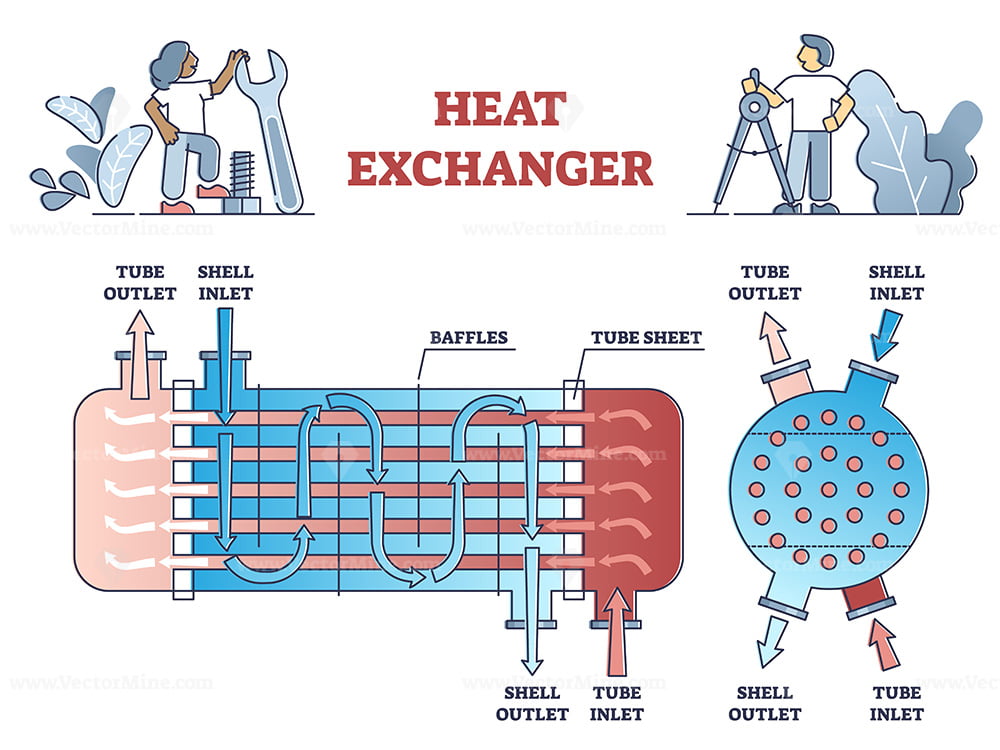
- heat exchangers
- bypass and mixing logic
- independent control loops
Any attempt to merge circuits for “simplicity” transfers instability from one system into another.
Temperature control complexity is not poor design — it is damage prevention.
4. Temperature Control Architecture Across Marine Sectors
4.1 Merchant Ships
On merchant vessels, temperature control prioritises:
- machinery protection
- fuel efficiency
- long-term availability
Systems include:
- HT/LT freshwater temperature control
- oil and fuel cooling
- charge air cooling
- accommodation HVAC
- refrigerated spaces
Control philosophy is conservative and tolerant of degradation. Stability is preferred over rapid response.

4.2 Offshore Platforms and Rigs
On offshore installations, temperature control becomes process-critical.
Additional controlled systems include:
- gas processing trains
- hydrate prevention circuits
- chemical injection temperature control
- explosion-risk mitigation systems
Control circuits are:
- redundant
- tightly interlocked
- continuously monitored
Loss of temperature control often mandates full process shutdown.

4.3 Mega Yachts and High-Comfort Vessels
On mega yachts, temperature control extends beyond machinery into:
- comfort zoning
- noise and vibration reduction
- aesthetic constraints
Systems are highly automated, often complex, and less tolerant of drift. Failure consequences may appear cosmetic, but machinery risk remains unchanged.

5. Major Temperature Control Circuits
5.1 Engine Structural Temperature Control
Protects:
- cylinder liners
- heads
- exhaust components
- blocks
Implemented via:
- HT freshwater circuits
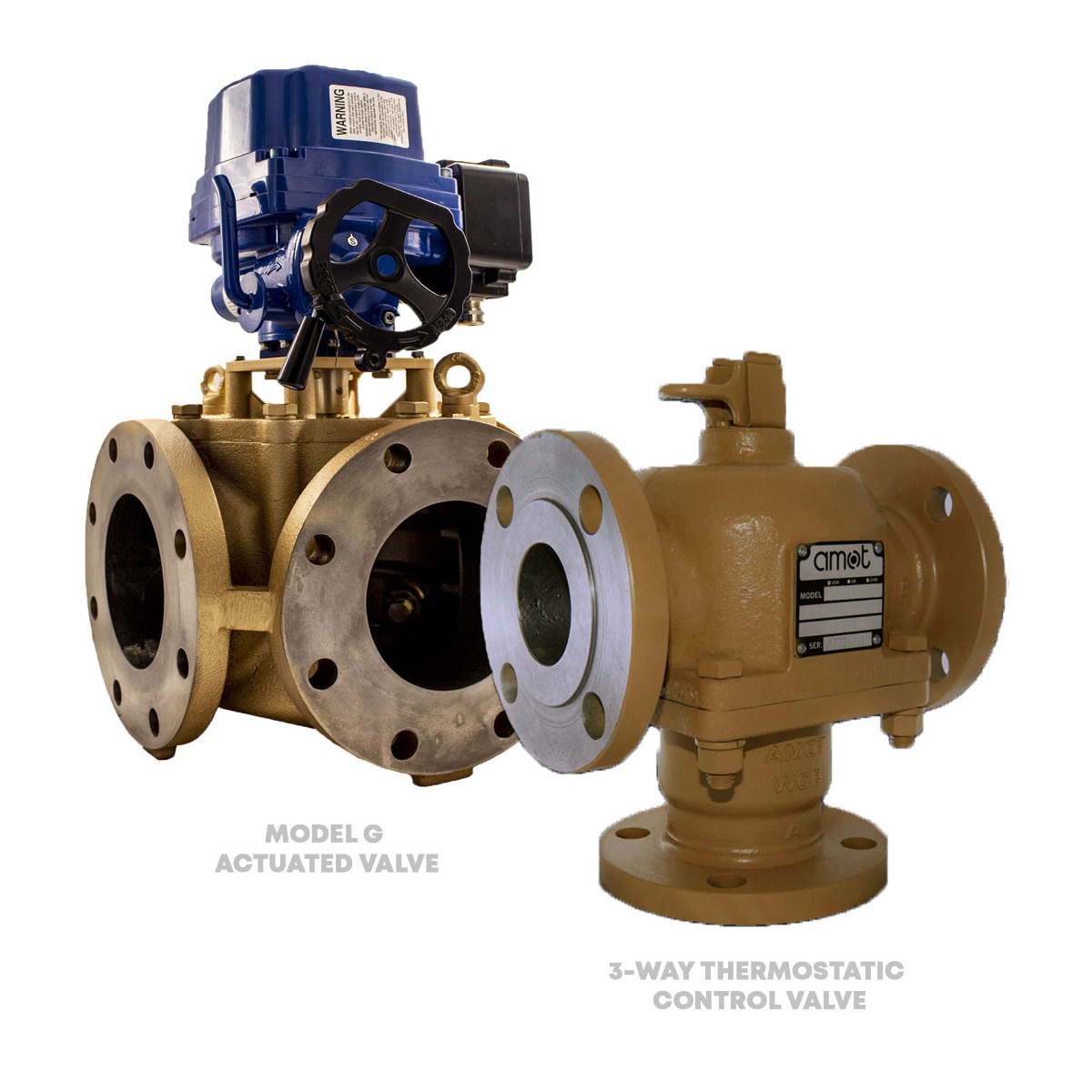
- three-way mixing valves
- bypass logic
- jacket water heaters
The objective is metal temperature stability, not maximum cooling.
5.2 Fluid Temperature Control (Oil, Fuel, Water)
Maintains:
- oil viscosity
- fuel density
- injection accuracy
Circuits include:
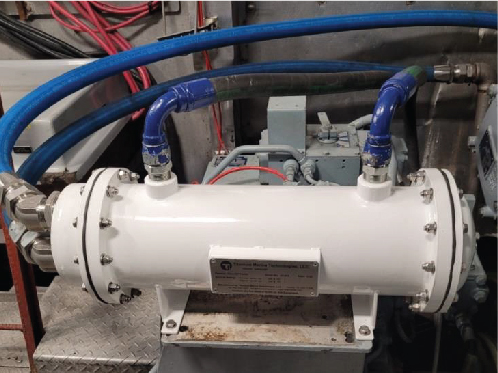
- oil coolers with bypass
- fuel heaters and coolers
- mixing loops for fine regulation
Over-cooling is a dominant low-load failure mode.

5.3 Gas and Air Temperature Control
Controls:
- charge air density
- condensation risk
- combustion efficiency
Includes:
- charge air coolers
- intake air heaters
- exhaust gas temperature control for WHR
These systems must respond quickly without destabilising upstream flow.


5.4 Electrical and Power Electronics Temperature Control
Modern vessels rely on:
- VFDs
- converters
- inverters
- battery systems
Cooling methods include:
- air cooling
- liquid cooling
- chilled water loops
Electrical temperature failures are sudden and unforgiving.
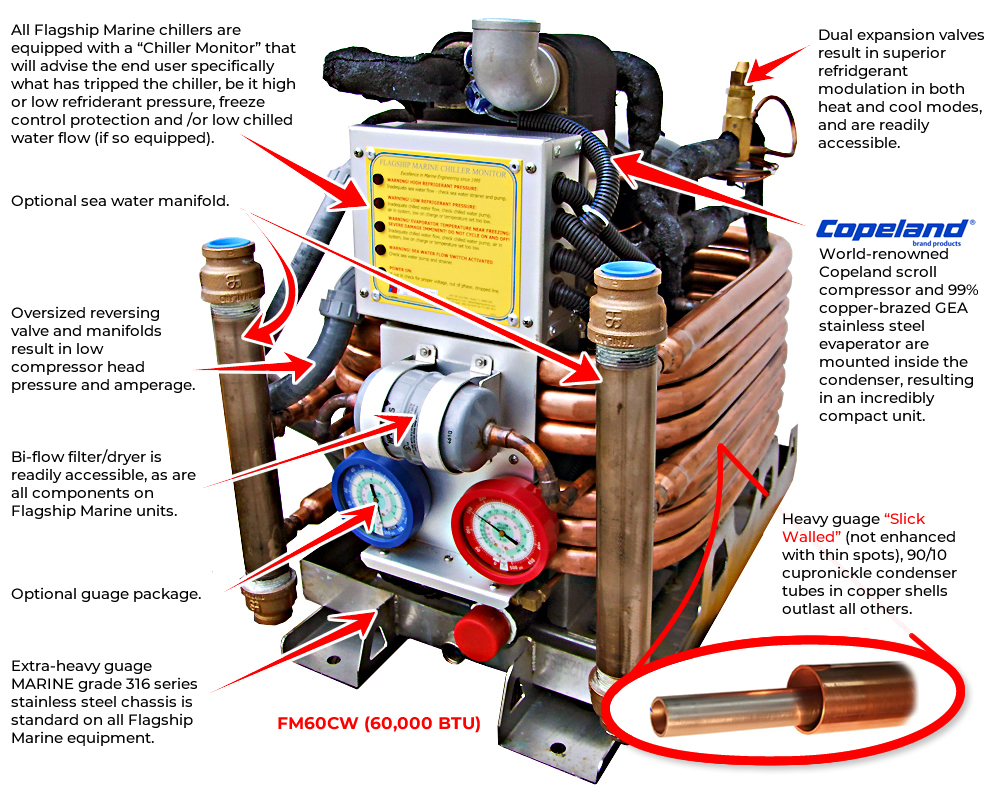

5.5 Human Space and Process Temperature Control
Accommodation HVAC, galleys, refrigerated spaces, and process rooms compete thermally with machinery systems.
When margin is lost, human comfort is usually sacrificed first — often masking deeper plant instability.


6. Control Devices, Actuators, and Regulation Philosophy
Temperature is controlled indirectly using:
- mixing valves
- bypass valves
- staged heat rejection
- variable flow
Stable control prioritises:
- slow response
- limited valve travel
- avoidance of hunting
Fast control often creates oscillation rather than precision.
7. Control Under Real Operating Conditions
Design conditions are rare.
Real plants operate with:
- fouled exchangers
- drifting sensors
- altered flow paths
- partial load
The most dangerous condition is apparent stability with exhausted margin.
8. Degradation, Drift, and Loss of Control Margin
Temperature control systems degrade through:
- fouling
- valve wear
- actuator fatigue
- sensor drift
Control authority erodes quietly until sudden instability appears.
9. Human Oversight, Watchkeeping, and Engineering Judgement
Automation regulates numbers. Engineers interpret behaviour.
Experienced watchkeepers recognise:
- excessive valve movement
- delayed stabilisation
- unexplained trend shifts
- increasing manual intervention
Judgement prevents damage long before alarms trigger.
10. Relationship to Adjacent Systems and Cascading Effects
Loss of temperature control destabilises:
- lubrication systems
- fuel injection
- electrical systems
- HVAC and refrigeration
- process stability offshore
Because temperature governs material behaviour, its loss undermines every system simultaneously.